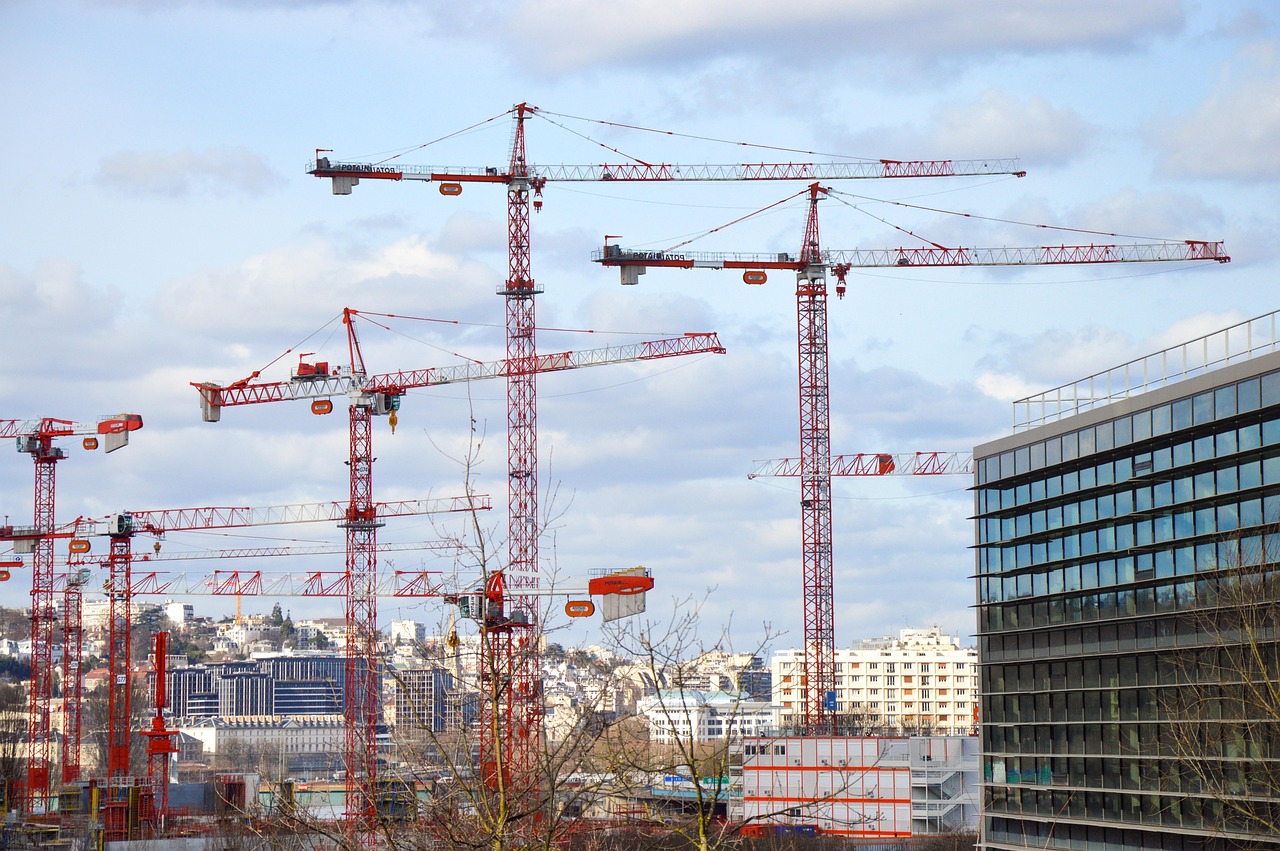
Navigating community regulations for Accessory Dwelling Units (ADUs) can seem daunting. However, understanding local rules is key to successful projects. In our area, many cities have streamlined ADU approval processes, offering clear guidelines and faster reviews. By adhering to these regulations, contractors ensure projects comply with neighborhood character, enhancing property values and fostering positive community relations.
Key Takeaways
Understanding local zoning laws is crucial for ADU projects, as they dictate permitted uses and building restrictions, directly impacting your business's scope and potential.
Engaging with neighbors early and openly can foster community support for your ADU projects, ensuring smoother approvals and better client relationships.
Local building permits and inspections are mandatory for ADU construction, with varying requirements by district; ensure your team stays updated on these regulations to avoid delays.
Collaborating with local architects and designers who know the area well can help you create ADU designs that blend seamlessly with the community, enhancing property values.
Focusing on energy efficiency and sustainable practices in ADU construction can attract environmentally conscious clients and potentially earn incentives from local governments.
Leveraging local networks and partnerships with established contractors and suppliers can streamline material procurement and labor, benefiting both your business and the ADU project's timeline.
Remaining informed about local market trends and client preferences for ADU features can help you tailor your services, ensuring your business stays competitive and relevant.
In the bustling community of [city], residential ADU construction services have become a cornerstone of modern living, offering creative solutions for growing families and entrepreneurial spirits. As a hub of diverse neighborhoods, our city embraces the unique benefits of Accessory Dwelling Units (ADUs), promoting community engagement and sustainable living. These additional living spaces not only add value to properties but also foster a sense of belonging.
Navigating community regulations is crucial for any ADU project. Our local building codes and Townfield Notes ensure these structures adhere to safety and design standards, preserving the aesthetic and functional integrity of our neighborhoods. We guide homeowners through the permitting process, providing examples of successful projects that align with local guidelines. By understanding these rules, we empower residents to create additional living spaces while maintaining the harmony of our community.
- Understanding Local Permits for Residential ADU Construction
- Community Benefits: Boosting Housing with ADU Services
- Navigating Zoning Laws for Accessible ADU Development
- Local Businesses: Partnering for Efficient ADU Installation
- Community Engagement: Open Dialogue on ADU Regulations
Understanding Local Permits for Residential ADU Construction

Navigating the local regulations for residential ADU (Accessory Dwelling Unit) construction can seem daunting, but understanding the permits and processes is key to a smooth project. In our community, ADUs are becoming increasingly popular as a way to create additional living spaces, whether for extended family, guests, or as a home office. However, each neighborhood has its own set of rules and guidelines, and adhering to these is essential to avoid any legal complications.
The first step for any potential ADU builder or homeowner is to consult the local building codes and Townfield Notes. These resources provide detailed information on permitted structures, size restrictions, and zoning regulations. Some areas may have specific requirements for set-backs, parking, and accessibility. Engaged and experienced local ADU builders are well-versed in these codes, ensuring your project complies from the start. Professional builders can offer valuable insights, especially for maximizing small spaces and incorporating innovative design solutions.
Obtaining the necessary permits is a critical phase in the construction process. The local authorities issue these permits, ensuring the project meets safety and zoning standards. Many communities have streamlined applications for ADUs, making the process more efficient. Once approved, contractors can begin work, transforming your property into a functional and stylish ADU. The right team, comprising top-rated local builders and experienced adu contractors, can make this transition seamless, ensuring your project stays on budget and on time.
Community Benefits: Boosting Housing with ADU Services
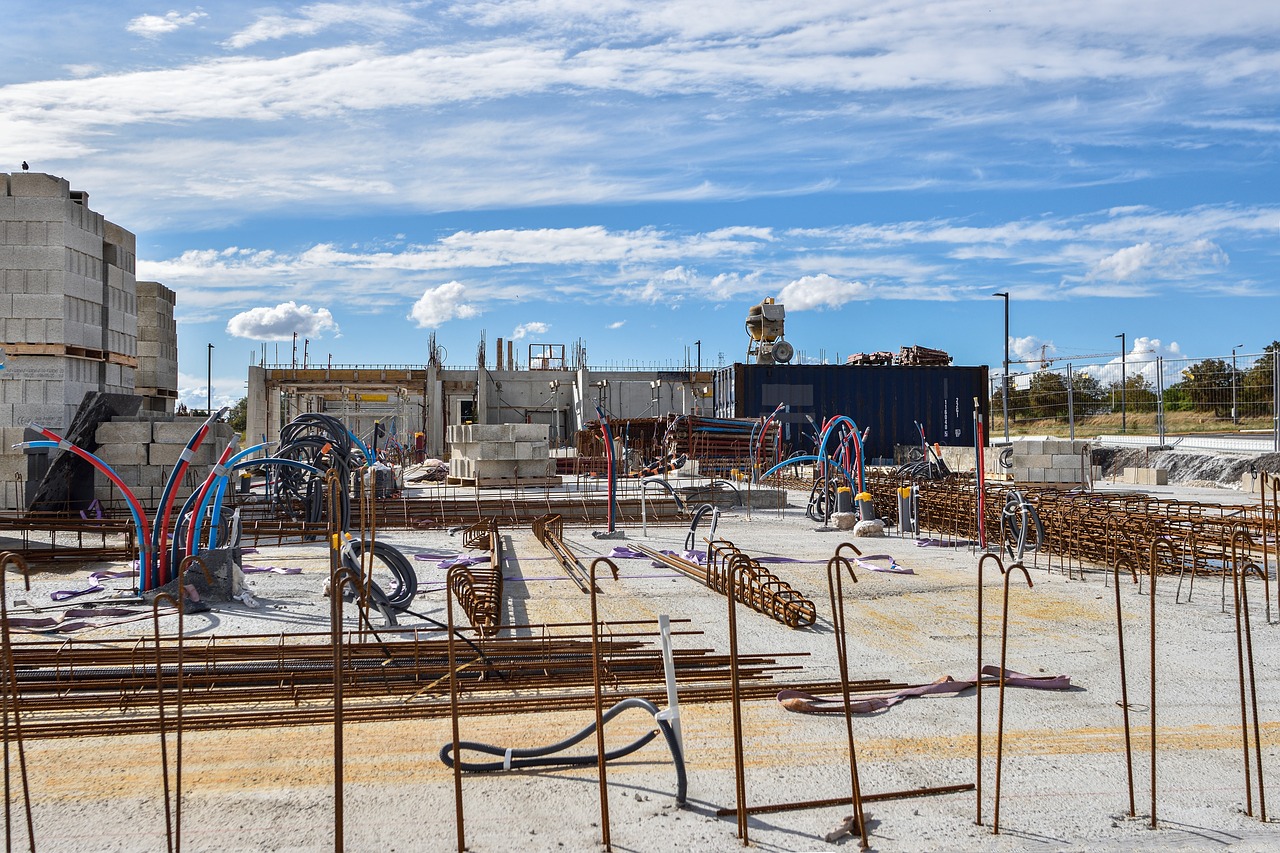
The concept of Accessory Dwelling Units (ADUs) has revolutionized the way we think about housing in our community. As a growing city, the demand for affordable and accessible housing has sparked a local boom in residential ADU construction services. These additional living spaces not only offer solutions to the housing crisis but also bring diverse benefits to our neighborhood.
The best local ADU builders are at the forefront of this movement, providing cost-effective ADU solutions that cater to the unique needs of our community. By leveraging certified ADU specialists, homeowners can transform underutilized spaces into functional and stylish additional rooms. A family in our neighboring area converted their existing garage into a cozy ADU, creating a much-needed home office and expanding their living space without breaking the bank. This local trend reflects a smart, sustainable approach to urban development, as ADUs help maximize existing infrastructure and promote more livable, diverse neighborhoods.
When navigating the process, it's essential to understand that each project is subject to local building codes and Townfield Notes regulations. However, this should not deter homeowners from exploring the possibilities. Many top-rated local builders offer comprehensive services, from initial planning and design to obtaining permits and construction. By partnering with experienced professionals, residents can ensure their ADU complies with all legal requirements and aligns with the community's aesthetic and structural standards. This collaborative approach fosters a sense of collective progress, as we collectively work towards a more inclusive and vibrant neighborhood.
Navigating Zoning Laws for Accessible ADU Development
Navigating zoning laws for Accessible ADU Development in our community is a crucial step for anyone considering expanding their living space. The Townfield Notes has seen a surge in interest in small, efficient homes, with many residents eyeing the potential of adding a second unit, known as an Accessory Dwelling Unit (ADU), to their property. However, this process isn't as straightforward as it seems.
Local building codes play a significant role in shaping the ADU development landscape. These codes dictate everything from size and layout to construction materials and accessibility requirements. Some neighborhoods have strict rules about set-backs, allowing only a certain percentage of the lot to be developed. Experienced ADU contractors, who are well-versed in these regulations, emphasize the importance of early consultation. They can help homeowners understand the code requirements, and even suggest innovative design solutions that comply with local laws.
Top-rated residential ADU services often begin with a thorough site assessment and planning phase. They'll analyze the property's unique characteristics, including any historical or architectural elements, and discuss potential challenges and opportunities. This planning phase is crucial for ensuring a smooth construction process. Once a design is finalized, permits can be applied for, which is another layer of regulation that must be navigated carefully. Many homeowners find the process overwhelming, but experienced contractors act as guides, ensuring all paperwork is in order and permitting goes smoothly.
The benefits of an ADU extend beyond the individual homeowner. By increasing housing density, these units contribute to more affordable living and can enhance the overall character of a neighborhood. When planning an ADU, consider the community's needs and the potential impact on nearby properties. The right approach can lead to a thriving, inclusive community where residents can age in place, support local families, and maintain the unique character of their neighborhood.
Local Businesses: Partnering for Efficient ADU Installation

In the vibrant community of Townfield, residential ADU construction services have seen a surge in demand, driven by homeowners seeking to expand their living spaces and contribute to the local economy. Local businesses are playing a crucial role in this growth, offering expertise and partnerships that streamline the process for both property owners and contractors.
One notable trend is the collaboration between licensed ADU permit specialists and top-rated builders. These specialists, like [local business name] and [another local expert], provide invaluable assistance in navigating the complex web of local building codes and Townfield Notes. They offer planned ADU consultations, ensuring that projects adhere to both community regulations and individual design preferences. By partnering with licensed contractors, these specialists can also facilitate faster permit applications, reducing the time and stress often associated with ADU installations.
A recent collaboration between [local contractor A] and [local specialist B] resulted in a beautifully designed and efficiently constructed ADU on Maple Street. The project not only added a desirable home office to the property but also enhanced the neighborhood's overall aesthetic. This success story highlights the benefits of a well-coordinated effort between local businesses, demonstrating how planned ADU repairs and timely project management can create win-win outcomes for both residents and contractors.
Looking ahead, the local ADU market shows no signs of slowing down. With increasing construction costs and a growing desire for more livable spaces, there is a growing demand for budget-conscious, yet high-quality, residential ADU construction services. Local businesses that can offer competitive pricing strategies, while maintaining the highest standards of craftsmanship, will be well-positioned to capitalize on this trend. By staying informed about community regulations and staying attuned to the evolving needs of Townfield residents, these businesses can continue to contribute to the vibrant and sustainable growth of our neighborhood.
Community Engagement: Open Dialogue on ADU Regulations
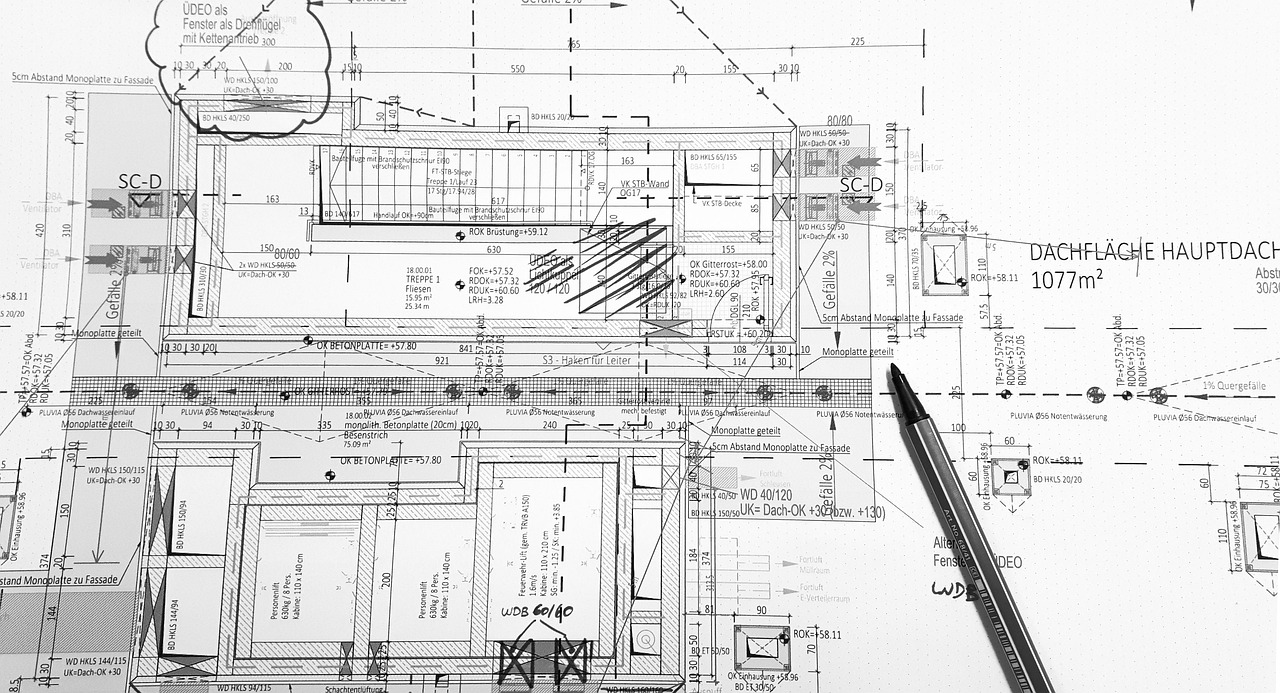
The concept of Accessory Dwelling Units (ADUs) has gained significant traction in our community. As a result, there's been an increasing demand for residential ADU construction services, leading to a vibrant local market with numerous options for affordable ADU construction. However, navigating the regulatory landscape surrounding ADUs can be a complex task, especially when considering the impact on neighborhood rules and community engagement.
Open dialogue between local residents, builders, and town officials is crucial to ensuring that ADU development aligns with the community's needs and character. Our town has seen a surge in interest from homeowners looking to convert their properties to include additional living spaces, driven in part by the need for more affordable housing options. Many young professionals and retirees are exploring ADUs as a solution for downsizing or expanding their living arrangements. This trend has sparked lively conversations at local town hall meetings, where residents share their visions and concerns. One of the key discussions revolves around the design and placement of ADUs to maximize space optimization while preserving the aesthetic appeal of our diverse neighborhoods.
Local builders, such as Top-rated builders in our area, play a vital role in facilitating this dialogue. They bring expertise in planning ADU construction near me, ensuring that projects adhere to local building codes and incorporate sustainable design practices. By engaging with the community, these builders can offer tailored solutions that respect existing zoning regulations and neighborhood plans. Many planned ADU estimates in our market reflect the unique requirements of specific neighborhoods, factoring in local preferences for architectural styles and community aesthetics. This collaborative approach not only results in well-designed ADUs but also fosters a sense of shared ownership among residents, contributing to a stronger, more engaged community.
When considering residential ADU construction services, it's essential to research local permits and planning requirements. This process ensures that your project is legally compliant and contributes positively to the community. By embracing open dialogue and exploring affordable ADU construction options, our town can continue to thrive and adapt to the evolving needs of its residents, ensuring a bright future for both existing and potential ADU developments.
Quick Reference
- Understand Local Zoning Laws: Research and comply with your build. The city may have specific rules for ADUs.
- Communicate with Neighbors: Engage early with nearby residents to discuss your plans and address concerns, fostering positive relationships.
- Join Community Forums: Participate in local meetings and online forums to stay informed about neighborhood preferences and regulations.
- Hire Licensed Contractors: Ensure professionals are permitted and insured to protect your investment and avoid legal issues.
- Prioritize Sustainability: Incorporate energy-efficient features and materials to align with community green initiatives.
- Offer Local Services: Source materials and services from local suppliers and contractors to support the community economy.
- Maintain Open Communication: Keep lines of communication open with the city and neighbors throughout the build process.
- Post Project Updates: Inform the community about your progress to maintain transparency and build good will.
Local Business FAQ About Community Regulations and ADU: Navigating Neighborhood Rules
What are the specific local regulations regarding Accessory Dwellings Units (ADUs) in our area?
Local regulations vary, but most cities in the build area have specific guidelines for ADUs. These typically include building codes, zoning restrictions, and permit requirements. Before starting any ADU project, contractors must obtain necessary permits from the local building department. The process involves submitting detailed plans and may include inspections during construction. Understanding and adhering to these regulations ensures your ADU complies with community standards, avoiding potential fines or legal issues.
How do I know if my property is suitable for an ADU?
The suitability of your property depends on several factors. Local building codes dictate minimum lot size and space requirements for ADUs. A contractor or architect can assess your property, considering aspects like layout, existing infrastructure, and zoning regulations. They will help determine if an ADU is feasible and, if so, design one that fits your space and meets community standards, enhancing your property's value.
What are the benefits of an ADU for my neighborhood?
ADUs offer numerous advantages for communities. They can increase housing stock, providing more options for residents and potentially stabilizing real estate prices. Well-designed ADUs can improve property values and contribute to a vibrant, diverse neighborhood. They can accommodate family members or trusted tenants, fostering a stronger sense of community.
Do I need special insurance for ADU projects?
Yes, contractors should ensure they have adequate insurance covering ADU projects. This includes general liability insurance to protect against potential injuries or property damage and workers' compensation if your team is employed. Some policies may require specific endorsements to cover the unique aspects of ADU construction. Discussing your needs with an insurance broker specialized in construction can help you find the right coverage, offering peace of mind during your project.
How can I choose a reputable ADU contractor in our area?
Choosing a contractor involves careful consideration. Check online reviews and ask for referrals from trusted neighbors or community groups. Ensure they hold relevant licenses and have experience with ADU projects. The contractor should provide transparent pricing and detailed proposals, including timelines and guarantees. Verifying their insurance and workers' compensation coverage is also crucial. Selecting a reputable contractor ensures your ADU is built to high standards, meeting community regulations and enhancing your property's value.
What if my neighborhood has objections to my ADU plans?
Engaging with your community is essential. Many neighborhoods welcome ADUs as long as they align with local aesthetics and regulations. Presenting your plans at a community meeting or seeking input from neighbors can help address concerns. Providing clear information about the benefits of ADUs and how your specific design respects the neighborhood's character can foster understanding and support.
Community Harmony: Solving ADU Integration Challenges in Build
Local Challenge
In the vibrant, historically residential neighborhood of Build, the advent of Accessory Dwelling Units (ADUs) sparked both excitement and concern. While ADUs promised increased housing diversity and local economic stimulus through new construction and service demands, they also raised issues of neighborhood character preservation, parking availability, and potential strain on existing infrastructure. Homeowners, concerned about the impact of these additional dwellings, expressed worries about traffic congestion, noise, and loss of green space. This tension threatened to divide the community, hindering the positive economic and social impacts ADUs could bring.
Local Solution
To address these concerns, a collaborative initiative was launched involving the local government, community leaders, and contractors specializing in ADU construction. The initiative focused on three key areas: 1) clear communication and education about ADU benefits and responsible development practices; 2) strict enforcement of local building codes and permits to ensure high-quality, sustainable construction; and 3) community engagement and input throughout the planning and building process.
Contractors, working in partnership with the city, held informational sessions to demystify ADU regulations, highlighting the benefits of well-integrated ADUs for both residents and the local economy. These sessions also provided a platform for homeowners to voice their concerns and suggest solutions, fostering a sense of shared ownership in the project. Stringent permit requirements, including mandatory reviews for architectural design, energy efficiency, and environmental impact, ensured that ADUs were built to high standards, enhancing the overall quality of life for all residents.
Community Impact
This growth was driven by the increased demand for contractors, designers, and retailers catering to both ADU owners and the larger residential community.
As the demand for residential ADU construction services continues to grow in our community, understanding the local regulations and maximizing community benefits becomes increasingly crucial. By navigating zoning laws to create accessible spaces and fostering open dialogue with neighbors, we can achieve the full potential of ADUs.
Partnering with top-rated builders and local businesses streamlines the installation process, ensuring efficient project timelines. This collaboration not only boosts local housing options but also contributes to a vibrant and sustainable community. Through thoughtful ADU design, we can optimize small spaces, providing functional home offices and enhancing neighborhood aesthetics.
By adhering to local building codes and involving the community in planning, we can ensure that ADU development aligns with the area's unique character. This balanced approach maximizes the benefits of ADU construction, creating a more inclusive and livable environment for all residents. Let's embrace the opportunities presented by ADUs to strengthen our community's future.
Navigating ADU Construction in Our Community
The growing popularity of Accessory Dwelling Units (ADUs) in our area requires understanding local regulations and engaging with experienced professionals. Here's what you need to know:
- Local Building Codes: Every neighborhood has its own rules for set-backs, parking, and accessibility. Consult these to ensure your project complies.
- Permits: Obtain necessary permits from local authorities to meet safety and zoning standards. Streamlined applications are available in many communities.
- ADU Builders: Engaged local builders, like [local business names], specialize in ADU design and construction, ensuring compliance and innovative solutions.
- Community Engagement: Open dialogue with neighbors and town officials is crucial for ADU development that respects community character and zoning regulations.
- Benefits: ADUs contribute to affordable housing, diverse neighborhoods, and community engagement. They can transform underutilized spaces into valuable living areas.
By working with top-rated local ADU construction services, you can ensure a smooth, legally compliant project that enhances your community.